

Free Delivery | 30 days to Return
Payment Secure | Lifetime Support
Used Car Engines in Delaware - USA
When engine failure strikes your vehicle, the cost of purchasing a brand-new factory replacement can create overwhelming financial pressure. For Delaware drivers facing this challenging situation, investing in a pre-owned car engine offers a practical, economical solution that can save thousands of dollars while delivering reliable performance. This comprehensive guide explores every aspect of acquiring used car engines in Delaware, from identifying reputable suppliers to understanding Delaware emissions compliance requirements, warranty protection, and professional installation considerations.

Buy quality used car engines right to your location.

Used Engines Arkansas
Used Engines California
Used Engines Colorado
Used Engines Connecticut
Used Engines Delaware
Used Engines Florida
Used Engines Georgia
Used Engines Hawaii
Used Engines Idaho
Used Engines Illinois
Used Engines in Washington
Used Engines Indiana
Used Engines Iowa
Used Engines Kansas
Used Engines Kentucky
Used Engines Louisiana
Used Engines Maine
Used Engines Maryland
Used Engines in Massachusetts
Used Engines Michigan
Used Engines Minnesota
Used Engines Mississippi
Used Engines Missouri
Used Engines Montana
Used Engines Nebraska
Used Engines Nevada
Used Engines New Hampshire
Used Engines New Jersey
Used Engines New Mexico
Used Engines in NewYork
Used Engines North Carolina
Used Engines North Dakota
Used Engines Ohio
Used Engines Oklahoma
Used Engines Oregon
Used Engines Pennsylvania
Used Engines Rhode Island
Used Engines South Carolina
Used Engines South Dakota
Used Engines Tennessee
Used Engines Texas
Used Engines Utah
Used Engines Vermont
Used Engines Virginia
Used Engines Washington
Used Engines West Virginia
Used Engines Wisconsin
Used Engines Wyoming
Find Your Used Engine by Brand

Acura

Audi

BMW

Ford
Cadillac

Chrysler

Honda

Jeep

Mercedes

Hyundai

Toyota

Lexus
Infiniti

Subaru

KIA

GMC

Nissan

Chevrolet

Mitsubishi

Volvo

Geo

Hummer

ISUZU

FIAT

Alfa
Buick

Dodge

Aston Martin

Ferrari

Gensis

Bentley

Jaguar

Lambo-
rghini

Land Rover

Lincoln

Maserati

Maybach

Mazda

Mc Laren

Mercury

Mini Cooper

Olds-
mobile

Peugeot

Plymouth

Pontiac

Porsche

Renault

Rolls Royce
Ram

Rover

Saab

Scion

Saturn

Seat

Suzuki
Tesla

Volks-
wagen
Find Your Used Engine by Brand
Acura
Audi
BMW
Ford
Cadillac
Chrysler
Honda
Jeep
Mercedes
Hyundai
Chrysler
Toyota
Lexus
Infiniti
Subaru
KIA
Volvo
GMC
Nissan
Chevrolet
Mitsubishi
Volvo
Geo
Hummer
ISUZU
FIAT
Alfa
Buick
Buick
Dodge
Aston Martin
Ferrari
Gensis
Bentley
Jaguar
Lamborghini
Land Rover
Lincoln
Maserati
Maybach
Mazda
Mc Laren
Mercury
Mini Cooper
Oldsmobile
Peugeot
Plymouth
Pontiac
Porsche
Renault
Rolls Royce
Ram
Rover
Saab
Scion
Saturn
Seat
Suzuki
Tesla
Volkswagen
More Used Auto Parts Available

Transmission

Steering Column

Airbag

Rear Axle

Drive Shaft

Differential

Instrument Cluster

ABS Module

Transfer Case
Differential
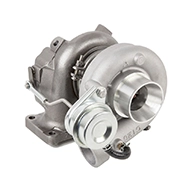
Turbocharger

AC Compressor

Drive Axle
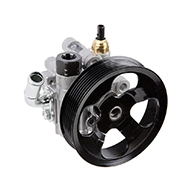
Power Steering Pump

Shock & Strut Set

Suspension Systems

Brake Pad & Rotor Kit

Complete AC
Repair Kit

Power Steering
Gear Box

Radiators & Cooling Parts
Brake Pad & Rotor Kit
Alabama | Alaska | Arizona | Arkansas | California | Colorado | Connecticut | Delaware | Florida | Georgia | Hawaii | Idaho | Illinois | Indiana | Iowa | Kansas | Kentucky | Louisiana | Maine | Maryland | Massachusetts | Michigan | Minnesota | Mississippi | Missouri | Montana | Nebraska | Nevada | New Hampshire | New Jersey | New Mexico | New York | North Carolina | North Dakota | Ohio | Oklahoma | Oregon | Pennsylvania | Rhode Island | South Carolina | South Dakota | Tennessee | Texas | Utah | Vermont | Virginia | Washington | West Virginia | Wisconsin | Wyoming
Understanding Delaware's Used Car Engine Market
The Economic Advantage of Choosing Used Engines
The financial benefits of selecting a used engine over a new factory replacement cannot be overstated. Delaware residents typically save between fifty and seventy-five percent when choosing quality used engines instead of new ones. This substantial cost reduction makes vehicle repair feasible for families and individuals who might otherwise face difficult decisions about transportation alternatives.
Consider that a new engine for a popular vehicle like a Honda Accord or Ford F-150 can cost anywhere from four thousand to eight thousand dollars before installation labor. A comparable used engine from a reputable Delaware supplier typically ranges from one thousand to three thousand dollars, representing savings of three thousand to five thousand dollars or more. For many Delaware families, this price difference determines whether they can afford to maintain their current vehicle or must take on new debt for vehicle replacement.
Beyond immediate financial savings, used engines support Delaware’s commitment to environmental stewardship. By choosing recycled automotive components, consumers participate in the circular economy, reducing manufacturing demand and the associated environmental impact. Delaware has implemented various sustainability initiatives, and selecting used auto parts aligns perfectly with these broader environmental objectives while providing personal economic benefits.
Delaware’s Geographic and Market Advantages
Delaware’s location provides unique advantages for consumers seeking used car engines. The state’s position between Philadelphia, Baltimore, and Washington creates access to extensive automotive markets and salvage networks throughout the Mid-Atlantic region. This geographic advantage translates to greater inventory selection, competitive pricing pressure among suppliers, and shorter shipping times for specialty engines.
The Port of Wilmington serves as a major gateway for international automotive trade, including imported used engines from markets like Japan and Europe. Delaware suppliers can access low-mileage Japanese domestic market engines and European powerplants more efficiently than many inland states, providing consumers with diverse options beyond domestic engine sources.
Delaware’s absence of sales tax on most purchases offers additional financial advantages for engine buyers. While services like installation may be subject to taxation, the engine purchase itself often avoids the sales tax burden that consumers in neighboring states face, further enhancing the economic appeal of buying used engines in Delaware.
Categories of Used Engines Available in Delaware
Salvage Yard Engines: Budget-Friendly Options
Salvage yard engines represent the most economical tier in Delaware’s used engine marketplace. These powerplants are extracted from vehicles that have been declared total losses, typically due to collision damage, flood events, or other circumstances that rendered the vehicle uneconomical to repair despite having functional engines.
Delaware salvage yards operate under state regulations that ensure proper handling and documentation of salvaged vehicles and components. Reputable facilities perform basic testing and provide honest assessments of engine condition, including mileage verification when possible and disclosure of any known issues or limitations.
When purchasing salvage yard engines, Delaware buyers should request compression tests and visual inspections before finalizing transactions. Quality salvage operations welcome such scrutiny and maintain transparent business practices. While salvage engines carry higher risk than remanufactured alternatives, proper due diligence and realistic expectations allow buyers to secure functional engines at the lowest possible price points.
Remanufactured Engines: The Middle Ground
Remanufactured engines offer Delaware consumers a balanced approach between cost savings and reliability assurance. These engines undergo comprehensive rebuilding processes that include complete disassembly, thorough cleaning, detailed inspection, precision machining of critical surfaces, and replacement of worn components with new or refurbished parts meeting original equipment specifications.
The remanufacturing process typically replaces pistons, piston rings, bearings, gaskets, seals, timing components, and various other wear items. Engine blocks and cylinder heads receive precision machining to restore original specifications and proper sealing surfaces. The result is an engine that performs comparably to new factory replacements while costing significantly less.
Delaware suppliers offering remanufactured engines typically provide substantial warranty coverage, often including three-year or thirty-six thousand mile protection plans. Some premium remanufactured engines carry warranties approaching or matching new engine coverage, providing peace of mind that justifies the moderate price premium over basic salvage yard options.
Low-Mileage Import Engines: Premium Used Options
Low-mileage imported engines have gained tremendous popularity among Delaware consumers seeking the best balance of value and remaining service life. These engines primarily originate from Japan, where strict vehicle regulations and cultural preferences result in relatively young vehicles being retired despite having well-maintained, low-mileage engines.
Japanese domestic market engines typically show mileage readings between thirty thousand and sixty thousand miles, representing only a fraction of their potential service life. Japanese driving conditions, maintenance practices, and vehicle inspection requirements generally ensure these engines have been properly maintained and operated under favorable conditions.
Delaware suppliers specializing in Japanese engines maintain relationships with overseas exporters, providing access to engines for popular Honda, Toyota, Nissan, Mazda, and Subaru applications. These engines command premium prices within the used market but offer exceptional value when their remaining service life and reliability are considered.
European import engines from countries like Germany also enter Delaware’s market, serving owners of BMW, Mercedes-Benz, Volkswagen, and Audi vehicles. These specialized powerplants require knowledgeable suppliers who understand their complexity and can verify proper specifications for specific vehicle applications.
Finding Trustworthy Engine Suppliers in Delaware
Essential Qualities of Reputable Dealers
Identifying reliable engine suppliers requires attention to several critical business characteristics. Established suppliers with physical locations in Delaware demonstrate commitment to the local market and provide accountability that purely online operations may lack. While internet retailers serve important roles, having a Delaware-based facility allows for in-person inspections, local pickup options, and direct recourse if problems arise.
Warranty offerings serve as powerful indicators of supplier confidence in their inventory quality. Reputable Delaware engine dealers provide clear, written warranties that specify coverage duration, included components, exclusions, and claims processes. Warranty terms typically range from thirty days for basic salvage engines to multiple years for remanufactured units, with longer coverage periods reflecting higher quality standards and supplier confidence.
Professional certifications and industry memberships provide additional credibility markers. Membership in organizations like the Automotive Recyclers Association signals commitment to industry best practices, ethical business conduct, and ongoing professional development. Delaware suppliers holding such credentials typically maintain higher operational standards than uncertified competitors.
Customer testimonials and online reviews offer invaluable insights into supplier reliability and service quality. Examine reviews across multiple platforms including Google, Facebook, Better Business Bureau, and automotive enthusiast forums. Pay particular attention to how suppliers respond to negative feedback, as professional, constructive responses demonstrate customer service commitment and problem-solving attitudes.
Critical Questions for Engine Suppliers
Engaging potential suppliers with specific, detailed questions reveals their knowledge, professionalism, and product quality. Begin by inquiring about the engine’s complete history, including the source vehicle’s make, model, year, and reason for retirement. Understanding why the donor vehicle was salvaged helps assess potential risk factors and remaining engine condition.
Request comprehensive mileage verification through multiple documentation sources. Reliable suppliers provide odometer readings, vehicle history reports, and photographs documenting mileage at time of engine removal. Be cautious of suppliers unable or unwilling to provide mileage verification, as this may indicate questionable inventory practices.
Ask detailed questions about testing procedures performed on engines before sale. Professional Delaware suppliers conduct compression testing across all cylinders, leak-down tests to assess internal sealing, visual inspections for oil leaks and external damage, and functional testing of accessories when possible. Request actual test results rather than general assurances of testing completion.
Clarify warranty terms with precision, ensuring you understand coverage scope, duration, claim procedures, parts versus labor coverage, and any exclusions or conditions that might void protection. Obtain warranty documentation in writing before purchase completion, and verify contact information for future warranty service needs.
Popular Engine Applications in Delaware
Domestic Vehicle Powerplants
Delaware roads feature substantial populations of domestic vehicles from Ford, Chevrolet, Dodge, Ram, and Chrysler. Consequently, engines for popular applications including Ford F-Series trucks, Chevrolet Silverado and Suburban, Dodge Durango, Ram pickups, and various sedan and crossover models remain in consistent demand throughout the state.
Specific engine families see particularly high replacement demand. Ford’s EcoBoost turbocharged engines, found in F-150 trucks and various crossovers, require replacement due to issues ranging from timing chain failures to turbocharger problems. General Motors small-block V8 engines power numerous trucks and SUVs, creating steady demand for replacement units. Chrysler’s Pentastar V6 engine serves multiple vehicle lines and represents another frequently requested powerplant in Delaware’s used market.
The prevalence of domestic vehicles in Delaware creates robust supply chains for these engines, resulting in competitive pricing, shorter wait times for common applications, and extensive parts availability for future maintenance needs. Delaware suppliers maintain substantial inventories of domestic engines to serve this large market segment.
Import Vehicle Engines
Delaware’s diverse population and appreciation for reliable, fuel-efficient transportation have made import vehicles extremely popular. Honda and Toyota vehicles dominate many Delaware neighborhoods, creating consistent demand for replacement engines as these vehicles accumulate high mileage through years of dependable service.
Honda engines, particularly those powering Civic, Accord, CR-V, and Odyssey models, rank among the most frequently requested powerplants in Delaware’s used market. These engines’ reputation for longevity means many reach high mileage before requiring replacement, but their reliability also ensures strong demand when replacement becomes necessary.
Toyota engines serving Camry, Corolla, RAV4, Tacoma, and 4Runner applications similarly see regular demand. Delaware suppliers maintain strong inventories of these popular Japanese engines, often including both domestic salvage units and low-mileage Japanese imports for buyers seeking maximum remaining service life.
Nissan, Mazda, and Subaru engines serve smaller but loyal customer bases in Delaware. Subaru’s horizontally-opposed engines, in particular, require specialized knowledge for proper installation, making supplier expertise especially important for these applications.
European vehicle engines from BMW, Mercedes-Benz, Volkswagen, and Audi require specialized suppliers who understand their complexity, electronic integration requirements, and specific compatibility considerations. These premium engines typically command higher prices but serve owners committed to maintaining their European vehicles.
The Engine Acquisition Process
Preliminary Research and Compatibility Confirmation
Successful engine purchases begin with thorough preparation and information gathering. Compile essential vehicle specifications including year, make, model, trim level, and current engine size. Obtain your complete Vehicle Identification Number, which provides detailed factory specifications ensuring you purchase compatible replacement components.
Understanding that engine specifications can change within model years is crucial. Manufacturers sometimes implement mid-year production changes affecting engine design, electronics, mounting configurations, or accessory compatibility. Working with knowledgeable Delaware suppliers who can decode VINs and verify exact compatibility prevents expensive mistakes and installation complications.
Research typical pricing for your specific engine application by contacting multiple Delaware suppliers and reviewing online marketplaces. This research establishes reasonable price expectations and helps identify unusually low prices that might indicate quality concerns or unusually high prices suggesting overcharging.
Physical Inspection and Assessment
Whenever possible, inspect engines before purchase or immediately upon delivery. Visual examination reveals important condition indicators that influence long-term reliability. Look for obvious physical damage including cracks in the block or heads, excessive oil residue suggesting chronic leaks, rust or corrosion on machined surfaces, and missing components that will require replacement.
Verify that all necessary accessories remain attached if included in your purchase. Alternators, power steering pumps, air conditioning compressors, motor mounts, and various sensors represent expensive components that should be present and functional. Confirm mounting brackets and wiring harnesses are intact and undamaged.
Request and review any testing documentation the supplier has generated. Compression test results should show consistent readings across all cylinders, typically within ten percent variance. Significant discrepancies may indicate valve problems, worn rings, or other internal issues that compromise engine longevity and performance.
Completing the Transaction
Once you have selected an engine and verified its condition, clarify all transaction terms before finalizing the purchase. Confirm the total price including any additional fees for accessories, shipping, core charges, or other considerations. Understand payment terms, accepted payment methods, and any deposits required to secure the engine.
Review return policies and warranty procedures carefully. Know what steps you must take if the engine proves defective, including time limits for warranty claims, documentation requirements, and whether return shipping costs are your responsibility or the supplier’s obligation.
Obtain detailed receipts documenting your purchase, including engine specifications, serial numbers if available, mileage representations, warranty terms, and supplier contact information. This documentation proves essential if warranty claims become necessary or if questions arise during installation.
Installation Planning and Execution
Professional Installation Versus Self-Installation
Engine replacement represents one of the most complex automotive repair procedures, requiring specialized equipment, technical knowledge, and mechanical experience. Most Delaware vehicle owners benefit from professional installation by qualified automotive technicians, despite the additional labor costs involved.
Professional installation in Delaware typically costs between eight hundred and two thousand dollars depending on vehicle complexity, engine type, and shop labor rates. This investment provides numerous advantages including proper installation techniques, correct torque specifications, proper timing and electronics integration, warranty protection on labor, and expert resolution of unexpected complications.
Experienced do-it-yourself mechanics with proper equipment can successfully complete engine replacements, but should honestly assess their skill levels, tool availability, and time constraints before committing to self-installation. Essential equipment includes engine hoists or cranes, complete metric and standard tool sets, torque wrenches, vehicle service manuals, and adequate workspace.
Budget substantially more time than initial estimates suggest, as engine replacements invariably encounter unexpected challenges requiring problem-solving, additional parts procurement, and repeated attempts to achieve proper results. Even experienced mechanics typically require full weekends or longer to complete engine swaps.
Delaware-Specific Installation Considerations
Delaware’s climate creates specific considerations for engine installation success. The state experiences hot, humid summers and cold winters with occasional snow and ice. Ensuring all cooling system components function properly is essential, as Delaware summers can stress inadequate cooling systems while winters require proper freeze protection.
During installation, replace thermostats, inspect radiators thoroughly, and consider replacing coolant hoses showing any deterioration. Use quality coolant mixed to appropriate concentrations for Delaware’s temperature ranges, typically providing protection to negative thirty-five degrees Fahrenheit.
Delaware’s coastal location means salt air affects vehicles even in inland areas, while winter road salt application accelerates corrosion on all vehicle components. Thoroughly clean the engine bay before installing your replacement engine, removing salt deposits and corrosion from mounting points, wiring harnesses, and all surfaces near the new engine. Consider applying corrosion protection products to vulnerable areas after installation.
Ensure proper integration with vehicle electronics, as modern engines rely heavily on computer controls, sensors, and electronic management systems. Delaware has annual vehicle inspection requirements that include emissions testing for most vehicles, making proper electronic integration essential for passing inspection and maintaining legal vehicle registration.
Warranty Coverage and Protection Strategies
Decoding Warranty Terms and Conditions
Used engine warranties vary dramatically among Delaware suppliers, ranging from minimal coverage to comprehensive protection plans. Understanding your specific warranty terms is essential for protecting your investment and knowing your rights if problems develop.
Most warranties cover internal engine components including the block, crankshaft, camshaft, pistons, connecting rods, cylinder heads, and related internal parts. External components like alternators, starters, water pumps, and sensors are frequently excluded from coverage, as these items are considered serviceable accessories rather than core engine components.
Labor coverage represents a critical warranty consideration. Many warranties cover replacement parts but exclude labor costs for removal, installation, and related repair work. Other suppliers offer comprehensive coverage including reasonable labor reimbursement. Understanding labor coverage terms prevents surprise expenses if warranty repairs become necessary.
Warranty claims typically require specific procedures including timely notification of problems, proper documentation, and sometimes independent mechanical inspection. Familiarize yourself with these procedures immediately after purchase so you can respond appropriately if issues arise.
Post-Installation Break-In Procedures
Proper break-in procedures maximize your replacement engine’s longevity and performance. Follow manufacturer-recommended break-in guidelines, typically involving gentle operation during the first five hundred to one thousand miles. Avoid full-throttle acceleration, sustained high-speed operation, and heavy towing during this critical initial period.
Vary engine speeds during break-in rather than maintaining constant RPM for extended periods. This variation helps piston rings seat properly and ensures even wear patterns across all internal components. Modern engines typically require less extensive break-in than older designs, but conservative initial operation remains beneficial.
Perform the first oil change at five hundred miles even if you installed fresh oil during installation. This early service removes metallic particles and contaminants generated as components mate and settle during initial operation. Use quality oil meeting manufacturer specifications and install a new, quality oil filter.
Monitor all fluid levels closely during the first few hundred miles, checking oil and coolant daily. Some minor oil consumption during break-in is normal, but excessive consumption or sudden changes may indicate problems requiring immediate attention. Address any leaks promptly before they worsen and cause additional damage.
Financial Planning and Cost Management
Complete Cost Analysis
Understanding the total investment required for engine replacement helps prevent budget shortfalls and financial surprises. The engine purchase typically represents fifty to sixty-five percent of total project costs. Factor in Delaware’s tax advantages, as the absence of sales tax on the engine purchase itself reduces overall costs compared to neighboring states.
Installation labor constitutes the second major cost component, generally ranging from eight hundred to two thousand dollars in Delaware depending on vehicle type and repair facility. Complex vehicles like European models or trucks with substantial accessory removal requirements command higher labor rates than straightforward passenger car installations.
Consumable items and incidental parts add several hundred dollars to total costs. You will need engine oil and filter, coolant, various gaskets and seals, possibly timing components, and miscellaneous hardware and fasteners. Budget three hundred to five hundred dollars for these necessary items.
Additional component replacement may become necessary depending on your old engine’s failure mode and the replacement engine’s included accessories. New motor mounts, belts, hoses, sensors, or exhaust components might require replacement. A thorough pre-installation assessment helps identify these needs and prevents mid-project delays and budget overruns.
Financing and Payment Options
Many Delaware engine suppliers offer financing arrangements for customers needing to spread costs across multiple payments. Third-party financing services including Affirm, PayPal Credit, and specialized automotive lenders provide additional financing avenues with varying terms and interest rates.
Delaware repair facilities sometimes offer payment plans or accept major credit cards, allowing you to leverage existing credit relationships for repair financing. Compare interest rates, fees, and repayment terms carefully before committing to any financing arrangement.
Before financing any repair, honestly assess your vehicle’s total value and remaining service life. Consider whether other significant repairs loom on the horizon and whether your vehicle justifies substantial additional investment. Sometimes painful decisions to retire vehicles make more financial sense than financing expensive repairs on vehicles with limited remaining value.
Delaware Legal Requirements and Compliance
Vehicle Inspection and Emissions Standards
Delaware requires annual vehicle inspections for most passenger vehicles, including comprehensive safety checks and emissions testing for applicable vehicles. Your replacement engine must comply with Delaware emissions regulations, which generally require engines to match or exceed the original equipment emissions certification level.
Installing an older engine or one from a different emissions category than your vehicle’s original powerplant may result in inspection failure and registration complications. Ensure your replacement engine carries appropriate emissions equipment including catalytic converters, oxygen sensors, and evaporative emissions components.
After engine replacement, schedule inspection promptly to verify compliance with Delaware requirements. Professional mechanics familiar with Delaware inspection standards ensure proper installation of emissions components and integration with vehicle diagnostic systems, preventing inspection failures and associated delays.
Delaware’s inspection program helps maintain air quality and vehicle safety standards throughout the state. Compliance benefits the broader community while ensuring your vehicle remains legally operable on Delaware roads.
Proper Disposal of Old Engines
Delaware environmental regulations govern disposal of automotive waste including used engines. Never abandon engines at unauthorized locations or attempt disposal through regular municipal waste services. Engines contain fluids, metals, and materials requiring proper handling to prevent environmental contamination.
Your engine supplier may accept your old engine as a core return, providing modest credit toward your purchase price. Alternatively, contact licensed automotive recyclers or scrap metal facilities in Delaware that accept engines and other automotive components.
Properly draining fluids before disposal is essential. Engine oil, coolant, and any residual fuel must be collected and disposed of through appropriate channels. Many Delaware auto parts stores accept used motor oil and coolant for proper recycling.
Delaware takes environmental protection seriously, and proper waste disposal helps preserve the state’s natural resources while avoiding potential fines and legal consequences for improper disposal practices.
Maintenance Guidelines for Replacement Engines
Initial Care and Monitoring
The first thousand miles after installation represent a critical period for long-term engine health. Beyond break-in procedures already discussed, maintain heightened awareness of engine behavior, sounds, and performance. Unusual noises, vibrations, or performance issues warrant immediate professional evaluation rather than hoping problems resolve independently.
Check fluid levels frequently during this initial period, inspecting not only for low levels but also for contamination or unusual appearance. Oil should remain relatively clean between changes, while coolant should maintain proper color without oil contamination. Milky oil or oily coolant suggests head gasket issues requiring immediate attention.
Dashboard warning lights demand immediate response. Check engine lights, oil pressure warnings, temperature alerts, or other indicators should never be ignored. Modern vehicles provide sophisticated monitoring systems designed to alert drivers to problems before catastrophic failures occur. Respecting these warnings and seeking prompt professional diagnosis prevents minor issues from becoming expensive disasters.
Long-Term Maintenance Excellence
Developing and following rigorous maintenance schedules ensures your replacement engine delivers maximum service life and reliability. Change oil at appropriate intervals based on your driving conditions and oil type. Delaware’s varied driving conditions including highway commuting, urban traffic, and seasonal temperature extremes generally favor more frequent service intervals rather than extended schedules.
Maintain cooling system health through regular coolant exchanges every two to three years, pressure testing to identify leaks before they cause problems, and inspection of all hoses, belts, and cooling system components. Delaware summers can stress marginal cooling systems, while winters require proper freeze protection and thermostat function.
Address minor issues promptly before they escalate into major problems. Small oil leaks, unusual noises, or minor performance changes often indicate developing problems that cost far less to address early than after they cause secondary damage. Regular maintenance visits allow professional mechanics to identify emerging issues during routine service.
Keep detailed maintenance records documenting all service, repairs, and parts replacement. These records prove valuable when diagnosing problems, support warranty claims if needed, and enhance resale value by demonstrating responsible vehicle ownership.
Conclusion
Acquiring a used car engine in Delaware provides vehicle owners with practical, economical solutions for engine failure situations that might otherwise force difficult transportation decisions. Delaware’s advantageous geographic location, business-friendly environment, absence of sales tax on most purchases, and access to diverse inventory sources create ideal conditions for consumers seeking quality replacement engines at competitive prices.
Success in Delaware’s used engine marketplace requires informed decision-making grounded in thorough research, careful supplier evaluation, realistic quality expectations, and commitment to proper installation and maintenance. This comprehensive guide has equipped you with knowledge spanning market dynamics, supplier selection criteria, purchasing procedures, installation considerations, legal compliance requirements, and ongoing maintenance practices.
Whether you select an economical salvage yard engine, a professionally remanufactured unit, or a premium low-mileage import, the key to satisfaction lies in matching your selection to your specific needs, budget constraints, and quality expectations. Work with reputable Delaware suppliers who demonstrate transparency, provide appropriate warranty protection, and support customers throughout the purchasing and installation process.
With proper planning, informed decision-making, and diligent post-installation care, a quality used engine can provide many years of dependable service, proving that economical solutions can also deliver reliable performance. Delaware’s used engine market stands ready to serve residents seeking to maintain their vehicles affordably while supporting environmental sustainability through automotive component recycling and reuse.
Frequently Asked Questions — Used Engines in Delaware
How much does a used engine cost in Delaware?
Used engines in Delaware range from $800 to $4,500 depending on make, model, mileage, and engine size. Compact car engines start around $800-$1,500. Full-size truck engines like Ford F-150, Chevy Silverado, and Ram 1500 typically cost $2,000-$4,500. Delaware’s no-sales-tax advantage means the price you see is the price you pay — no hidden state taxes added at checkout. We provide free quotes with exact pricing within minutes.
Do you ship used engines to all Delaware cities?
Yes. We ship free to every Delaware address — Wilmington, Dover, Newark, Middletown, Smyrna, Milford, Seaford, Georgetown, Lewes, and every smaller community in between. Most Delaware deliveries arrive in 2-3 business days with full insurance coverage during transit, given the state’s compact size and East Coast logistics network.
Will a used engine pass Delaware vehicle inspection?
Yes, if the replacement engine matches your vehicle’s original emissions specifications. Delaware requires biennial emissions and safety inspections through the Division of Motor Vehicles for most vehicles. New Castle and Kent counties have specific emissions requirements. Every engine we ship to Delaware customers includes original emissions certification documentation, ensuring smooth inspection passage at any Delaware DMV location.
How do used engines perform in Delaware weather?
Delaware experiences moderate four-season weather with humid summers and cold, occasionally snowy winters. Coastal areas in Sussex County face additional salt air corrosion concerns from Atlantic exposure. Every engine we ship to Delaware customers is selected with these regional factors in mind. We recommend Delaware drivers prioritize engines with documented cooling system integrity and conduct regular underbody inspections, especially in coastal areas.
What warranty comes with used engines shipped to Delaware?
Every used engine we ship to Delaware includes a standard 30-day warranty covering compression, oil leaks, and major mechanical failures. Extended warranty coverage is available on select engines. The warranty period starts the day the engine arrives at your Delaware address. Delaware’s strong consumer protection laws under the Consumer Fraud Act apply to all our transactions with Delaware customers.
What are the most popular vehicles for engine replacement in Delaware?
Delaware drivers favor a mix of commuter sedans, SUVs, and trucks given the state’s role as a Mid-Atlantic transportation corridor. Our most-requested used engines for Delaware include the Honda Accord, Honda CR-V, Toyota Camry, Toyota RAV4, Ford F-150, Chevy Silverado 1500, Ford Escape, Honda Civic, Subaru Outback, and Jeep Grand Cherokee. We also see steady demand from Delaware’s many fleet vehicles and rental car operations.
Our customers review
EXCELLENT
Based on 180 reviews

I ordered a used catalytic converter for my Jeep Wrangler. The part was in great shape, fit perfectly, and arrived quickly. The price was unbeatable compared to new parts. Highly satisfied!


