
Buying a used car can be a smart financial decision—if you know what to look for. A well-maintained pre-owned vehicle not only saves you money upfront but also reduces the likelihood of costly repairs in the future. So, how do you separate a good deal from a potential money pit? Here’s a comprehensive guide to help you identify a well-maintained used car before sealing the deal.
A car with a documented service history is a good sign. Look for:
Regular oil changes (every 5,000 to 10,000 km)
Timing belt replacements at manufacturer-recommended intervals
Brake pad and tire replacements
Records from authorized service centers
Cars without a service record can be a red flag unless you’re getting them thoroughly inspected by a trusted mechanic.
External Resource: Consumer Reports – Used Car Checklist

Start with a visual inspection:
Exterior: Check for mismatched paint, dents, or rust that could indicate past accidents or poor storage.
Interior: Excessive wear on seats, pedals, and steering wheel in a low-mileage car could be a sign of tampering.

Tires can tell you a lot about a vehicle’s alignment and suspension:
Uneven tire wear might mean poor alignment or suspension issues.
Tires with good tread depth (over 3mm) show care in maintenance.
External Link: Tire Safety Tips – NHTSA

Pop the hood and look for:
Clean, rust-free engine bay
No visible oil leaks
Belts and hoses that aren’t cracked or brittle
Fluids at appropriate levels
These are strong indicators that the vehicle has been serviced on time.

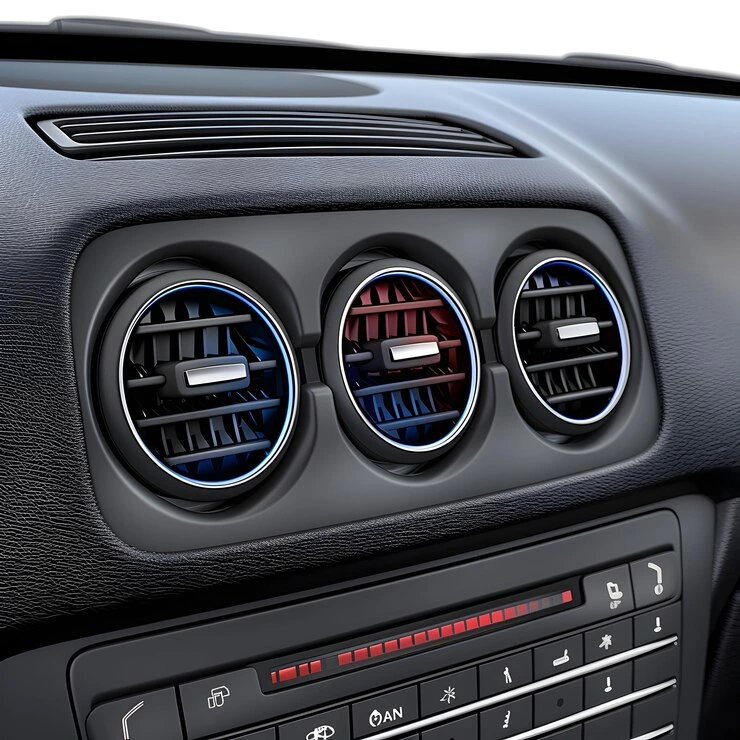
Ensure all lights, indicators, power windows, AC, radio, and dashboard warning lights function properly. Electrical issues may signal battery failure, faulty wiring, or blown fuses. Also check for flickering lights, delayed window response, and non-working AC vents—signs of deeper electrical or maintenance problems.
A test drive is essential. Pay attention to:
Engine response and smooth acceleration
Braking efficiency (no squeaks or delays)
Steering alignment
Strange noises or vibrations

Low mileage is good, but not if the car looks heavily used. Compare the odometer reading with the interior and exterior condition. Suspiciously low readings may suggest odometer rollback.
External Resource: How to Spot Odometer Fraud – Carfax
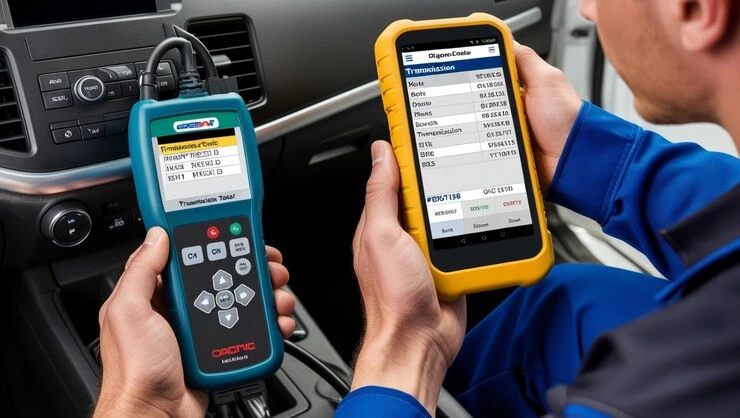
Even if everything seems fine, always have a trusted mechanic perform a pre-purchase inspection. It’s a small investment that can save you from hidden issues like engine wear, transmission problems, or flood damage.

Ensure the seller provides:
RC (Registration Certificate)
Insurance papers
Pollution Under Control (PUC) certificate
Road tax receipts
Double-check that the Vehicle Identification Number (VIN) on the car matches the documents.

Don’t hesitate to ask:
Why are they selling the car?
Has it ever been in an accident?
How often was it serviced?
Was it ever parked for long periods?
Sincere sellers usually provide clear answers, whereas vague replies might indicate red flags.

A well-maintained used car can serve you reliably for years—but only if you do your homework. From checking service history to getting a professional inspection, every step matters.
Looking for quality-tested used car engines and components?
Free Shipping For all Order
We Support 24hr a day
You have 30 days to Return
We ensure secure payment
Discover high-quality used engines and a full range of reliable auto parts at UsedEngines4Cars.com – your trusted source for performance and value.


